Homeowner Insights to Hiring a Custom Home Builder
Selecting the Best Custom Home Builder: Essential Factors to Evaluate
Picking the best custom home construction professional is a pivotal choice that can greatly shape the trajectory of a building project. Various considerations, such as the contractor's background, reputation, and communication approach, play essential roles. Knowing your personal goals and requirements is equally critical. As potential homeowners examine these components, they must also evaluate design flexibility and pricing transparency. Each aspect warrants thoughtful examination, necessitating an examination of what really establishes a construction professional the perfect selection.
Researching Builder Experience and Reputation
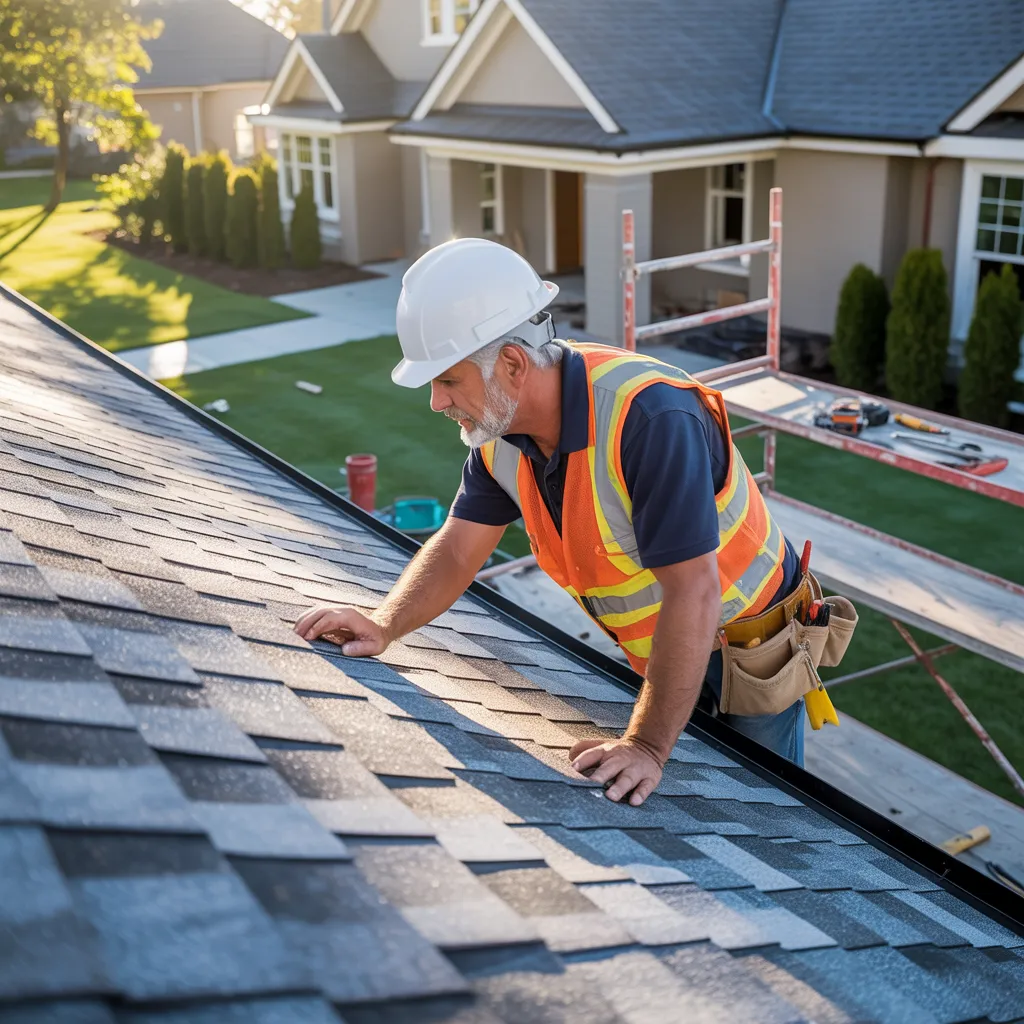
When selecting a custom homebuilder, researching their experience and reputation is essential. A builder's history of work can reveal key details regarding their dependability and workmanship. Potential homeowners should look for builders with a background of accomplished builds that align with their desired style and quality. Checking online reviews and testimonials can reveal the experiences of previous clients, showcasing both advantages and shortcomings.
In addition, it is worthwhile to verify any professional certifications or memberships, as these frequently demonstrate a devotion to quality benchmarks. Speaking with area real estate agents or inspecting completed projects can also provide insights on a builder's track record. Obtaining facts about how long a construction company has been established can further strengthen your assessment, as extended operation often indicates consistency and proficiency. Ultimately, comprehensive investigation of a builder's background and standing builds a dependable groundwork for a fulfilling home construction process.
Understanding Your Vision and Needs
How can homeowners best express their vision and needs when beginning a custom home project? Clarity is essential. Homeowners ought to start by outlining their lifestyle needs, such as family size, daily routines, and future plans. This foundational understanding helps shape the overall layout and functionality of the home. Visual references, including mood boards or hand-drawn sketches, can also be valuable in expressing specific design choices, ranging from architectural preferences to color palettes.
In addition, specifying financial limitations enables builders to provide workable solutions without sacrificing the homeowner's goals. Periodic reassessment on essential needs guarantees that the building endeavor remains aligned with shifting demands. Participating in transparent dialogues with family members can more precisely define proposals, guaranteeing all viewpoints are considered. At its core, a thoroughly expressed vision serves as a directing structure, empowering contractors to turn conceptual dreams into realized results while cultivating a unified effort across the building journey.
How to Gauge Builder Communication and Teamwork?
Effective communication and teamwork are essential when selecting a custom home builder. Evaluating initial response times, analyzing communication styles, and observing team collaboration dynamics can provide valuable insights into a builder's operational effectiveness. By prioritizing these key elements, homeowners can more accurately assess whether a builder suits their specific project requirements.
Response Time Overview
Timely communication serves as a pivotal indicator of a contractor's professionalism and organizational ability. When assessing residential construction professionals, prospective clients should pay close attention to initial response times. A builder who swiftly addresses client inquiries reflects appreciation for the client's time and an eagerness to move forward. Quick responses are often reflective of a well-organized team that prioritizes customer service. However, communication delays can suggest possible concerns within the contractor's business practices, such as inadequate staffing or poor management practices. Potential clients should carefully monitor response rates during preliminary engagements, as this can provide valuable insights into the builder's overall approach and reliability throughout the home-building process.
Communication Method Analysis
What methods can clients use to assess a builder's communication style and teamwork? Potential homeowners may commence by examining first-time communications. Promptness in responses and clarity in information shared are critical indicators. Scheduling a face-to-face meeting or phone call can further reveal the builder's communication approach. Paying attention to how attentively the builder hears client needs and presents solutions is important. Moreover, clients should question the builder regarding preferred communication platforms—including email, telephone, or face-to-face discussions—since these can impact overall project flow. Obtaining references or testimonials from former clients may further reveal the builder's proficiency in keeping communication channels open and transparent. At the conclusion of this evaluation, recognizing these factors helps secure a joint and clear building journey.
Team Cooperation Dynamics
Understanding a builder's way of communicating sets the stage for evaluating the dynamics of team collaboration. Strong collaborative efforts depends on open and steady communication across all team members, including subcontractors, architects, and suppliers. Prospective homeowners should examine how the builder promotes communication during project meetings, ensuring all voices are heard. Evaluating the attentiveness of the builder to questions and concerns can demonstrate their investment in cooperative work. Furthermore, reviewing past projects and client testimonials may offer a clearer picture of the builder's skill in building a cohesive team environment. A collaborative atmosphere commonly produces more efficient project delivery, reducing setbacks and miscommunications. Ultimately, a builder's commitment to working together can greatly impact the general outcome of the personalized home construction journey.
Assessing Design Flexibility and Customization Choices
When choosing a custom home builder, examining design options and customization possibilities is important, as these elements greatly influence the overall satisfaction with the final product. A builder's readiness to modify plans according to individual needs can substantially elevate the client's overall experience. Prospective clients should explore the range of design options available, including floor plans, materials, and finishes.
In addition, it is vital to examine how the builder incorporates advanced features and modern innovations, which can improve both practicality and aesthetic value. Property owners should also consider the builder's previous projects, assessing how well they have carried out tailored requests in the past. Clear communication regarding design concepts and the option to change plans during the construction phase can further signal a constructor's focus on customization. Ultimately, careful assessment of these aspects guarantees that the chosen builder matches well with the homeowner's aspirations and individual needs.
Validating Licenses and References
Beyond licenses requesting references from past clients is essential. Pleased clients regularly share details about the builder's dedication, quality of work, and commitment to schedules. Future homeowners are encouraged to obtain a catalog of recent builds and connect with these references for straightforward assessments. Digital feedback and client testimonials can enhance this data, providing a wider perspective on the builder's standing. By thoroughly verifying licenses and references, homeowners can make informed decisions and guarantee a successful partnership in their custom home building journey.
How to Review Pricing From Custom Home Builders
When comparing pricing with custom home builders, it is crucial to familiarise yourself with the various pricing models they utilise. Asking for itemised quotes helps potential clients to examine an itemised breakdown of expenses, promoting clarity. Additionally, evaluating what is and isn't included can highlight considerable disparities in offerings among home builders.
Grasp Pricing Structures
How can one effectively navigate the different pricing models presented by custom home builders? Comprehending these models is essential for conducting meaningful evaluations. Home builders generally structure pricing in various formats, such as firm-price agreements, cost-plus arrangements, examine guide or design-build contracts. A set-price contract offers a transparent sum from the start, minimizing surprises, while cost-plus arrangements invoice the true costs alongside an additional charge, possibly contributing to increased overall expenditures. Design-build arrangements consolidate the approach by integrating design and construction, but pricing can vary widely based on scope. It is important to carefully examine what is encompassed by each pricing format, such as budgets allocated for supplies and labor. By thoroughly understanding these structures, potential homeowners can make more informed decisions pertaining to their personalized home construction project.
Obtain Detailed Estimates
Obtaining detailed bids from residential construction specialists is essential for accurate price comparison. Such quotes should itemize expenses related to permits, materials, labor, and any extra costs. By gathering multiple quotes, future homeowners can identify discrepancies in pricing and assess the range of each builder's services. It is essential to guarantee that bids are founded upon the same specifications to support an reliable assessment. Builders may offer a range of alternatives, from standard to high-end materials, impacting the final price. Homeowners should also inquire about payment arrangements and any unforeseen expenses that may arise during the project. A comprehensive review of such quotes can highlight not only financial commitments but also the level of transparency and professionalism of every contractor.
Examine Inclusions and Exclusions
What factors should homeowners consider when comparing inclusions and exclusions from custom home builders? To begin, it is important to determine what particular elements are covered in the base price, such as flooring, cabinetry, and fixtures. Homeowners should scrutinize the quality and brands of these inclusions, as they can greatly impact overall satisfaction and long-term value. Moreover, comprehending exclusions is vital; these are costs that may arise later, such as upgrades or landscaping. It is recommended that homeowners obtain detailed lists from several builders to enable a thorough comparison. Moreover, evaluating the customization options available within each builder's package can highlight potential hidden costs or savings. In the end, a comprehensive comparison can help homeowners arrive at a well-informed decision that corresponds with their budget and expectations.
What to Expect From Warranties and Post-Construction Support
A feeling of confidence frequently comes with the choice to purchase a custom home, particularly when evaluating warranties and post-construction support. New homeowners should look for comprehensive warranties that protect against structural integrity, major systems, and materials used in construction. Typically, these warranties extend for a specific period, ranging from one to ten years, guaranteeing protection against problems and flaws that could develop.
After-construction support is equally significant, as it provides homeowners with assistance after the project is concluded. Builders should offer a clear process for resolving problems, performing routine maintenance inspections, and overseeing required fixes. Clear communication is essential during this phase, as it builds a foundation of trust and ensures that homeowners feel valued and cared for.
At the end of the day, grasping the details surrounding warranty coverage and after-build assistance plays a major role in the satisfaction and confidence of a homeowner, making it a critical factor when choosing a custom home builder.
Popular Questions We Receive
How Long Does the Custom Home Building Process Typically Take?
The process of building a custom home typically takes between six months to over a year, influenced by elements including design complexity, permitting, weather conditions, and the builder's experience, all influencing the overall timeline considerably.
What Are Typical Pitfalls to Watch Out for When Picking a Builder?
Typical errors to avoid when hiring a builder include failing to verify references, ignoring the specifics of the contract, neglecting to establish clear expectations, ignoring past project quality, and not evaluating the builder's experience with specific design styles or materials.
Is It Possible to Modify My Design During the Construction Process?
Certainly, modifications to the design are possible during the construction phase, but such changes could result in delays and extra expenses. It's crucial to communicate clearly with the builder to gain a clear understanding of how any changes may affect the project schedule and budget.
What Financing Solutions Are Available for Custom Home Construction?
Several financing options are available for personalized home construction, including construction loans, FHA loans, and conventional mortgages. Aspiring homeowners should consider these pathways, assessing interest rates, loan terms, and eligibility criteria prior to reaching a conclusion.
How Do Builders Manage Unforeseen Problems During Construction
Contractors commonly tackle unexpected issues throughout the building process by evaluating the problem, discussing matters with the client, and implementing solutions. They often adjust schedules and financial plans accordingly, ensuring transparency and preserving overall project quality at every stage.